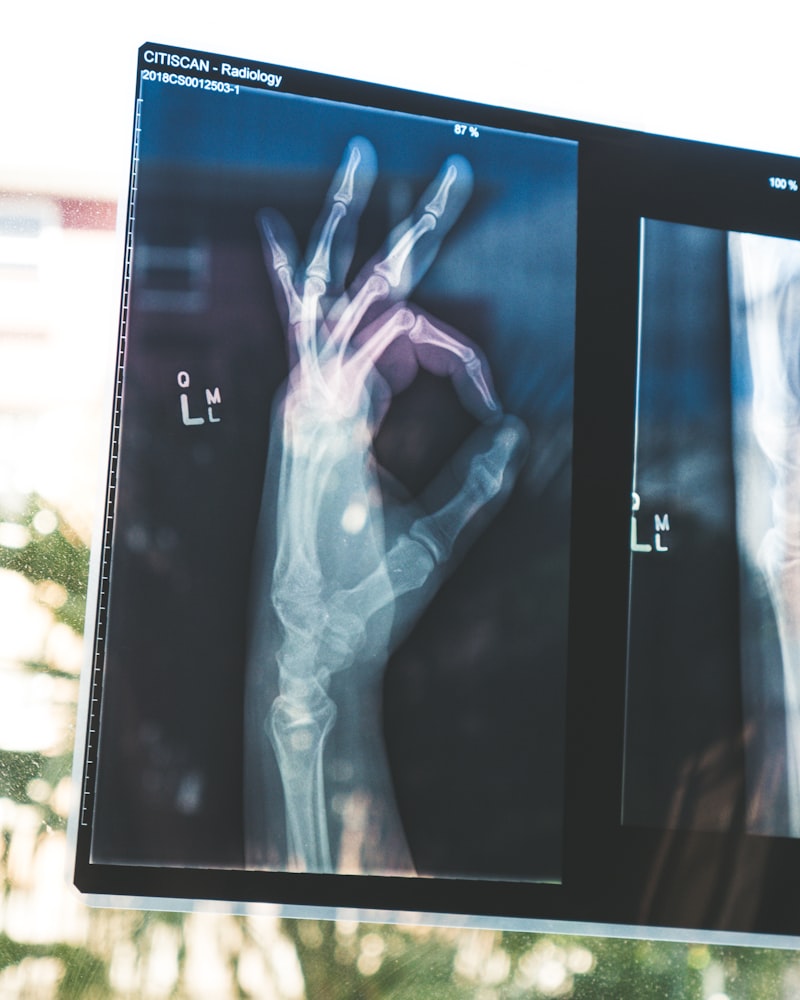
The Science of Osteoarthritis: Cartilage Degradation and Joint Mechanics

The Hidden Epidemic of Joint Wear
Osteoarthritis (OA) is the most common form of arthritis, affecting millions worldwide. Unlike inflammatory forms of arthritis like RA, OA is primarily characterized by the progressive degeneration of articular cartilage—the smooth, white tissue that covers the ends of bones where they come together to form joints.
Pathophysiology of Cartilage Loss
Healthy cartilage is remarkably resilient, maintained by cells called chondrocytes in a complex extracellular matrix of collagen and proteoglycans. In OA, mechanical stress combined with biochemical changes causes the chondrocytes to undergo apoptosis (cell death) and release inflammatory enzymes (metalloproteinases) that break down the collagen network.
As the cartilage thins, the bone beneath it thickens (sclerosis) and forms spurs (osteophytes), leading to the classic symptoms of pain, stiffness, and reduced range of motion.
Modern Management and Nutritional Support
While OA is currently considered irreversible, its progression can be significantly slowed. Pain management often involves NSAIDs or specialized formulations like Aceclofenac combined with Serratiopeptidase to reduce both pain and severe tissue inflammation.
Equally important is structural support. Compounds such as Glucosamine Sulfate act as precursors for glycosaminoglycans, a major component of joint cartilage, providing the building blocks necessary to maintain whatever cartilage remains. Combined with proper Calcium and Vitamin D3 supplementation to maintain underlying bone density, patients can maintain a high quality of life.
Published by Live Long Pharma
Committed to advancing clinical standards, best pharma company in Agra manufactures DCGI-approved formulations and provides monopoly PCD franchise opportunities nationwide.